

Table of Contents
- What Makes Interior Design Timeless
- Modern Interior Design Trends 2026 That Last
- How to Choose Timeless Furniture That Works
- Interior Design Color Palettes 2026 for Longevity
- Natural Materials and Sustainable Craftsmanship
- Layering and Spatial Flow for Depth
- Bold Statement Pieces in a Timeless Aesthetic
- Maintenance and Care for Design Longevity
Last Updated: August 23, 2026
What Makes Interior Design Timeless
Timeless interior design prioritizes architectural integrity over novelty. A space achieves longevity through intentional choices: clean silhouettes, quality craftsmanship, and cohesive palettes that won't feel dated within years. The best timeless interiors combine functional minimalism with carefully curated statement pieces rather than chasing every new aesthetic.
The key insight most design guides miss: timelessness isn't about being bland. It's about being selective. A room with one bold, well-chosen piece and a refined foundation reads as sophisticated for decades. A room with five trendy pieces feels dated within two years.
At Unapologetic Luxury Designs, successful timeless design relies on a foundation of neutral tones, natural materials, and intentional layering. This approach transforms ordinary rooms into sanctuaries that improve with age rather than fade with time.
Modern Interior Design Trends 2026 That Last
Modern interior design trends in 2026 are moving away from fast-furniture mentality toward slow design: choosing fewer, better pieces that earn their place in your home. The shift reflects a broader recognition that quality and intentionality create spaces that endure.
Trends gaining real staying power center on lived-in luxury: spaces that look collected rather than catalog-matched, with visible patina and the warmth of genuine materials. Biophilic design, incorporating natural materials and organic textures, continues to strengthen because it satisfies a fundamental human need for authenticity. Similarly, embracing architectural integrity means respecting your space's bones rather than fighting against them.
Sustainable craftsmanship is becoming non-negotiable. Pieces made from responsibly sourced materials by artisans using time-tested techniques simply last longer and age better than mass-produced alternatives. The most important modern interior design trend for 2026 is the rejection of disposability. Homeowners are asking: Will this piece function in five years? Can I repair it? Does it serve multiple purposes? These questions naturally lead toward timeless choices.
How to Choose Timeless Furniture That Works
Selecting furniture with longevity requires shifting evaluation criteria from "Do I love it right now?" toward "Will this still work in five years?" This reframe filters out most impulse purchases and trend-driven pieces.
Quality and Heirloom Craftsmanship
Heirloom quality furniture is built to last multiple decades. The difference between heirloom craftsmanship and mass production comes down to material selection, joinery, and construction methods that prioritize durability over speed.
Look for solid wood construction (not veneer over particleboard), hand-tied springs in upholstered pieces, mortise-and-tenon joinery, and finishes that deepen with age. These details cost more upfront but determine whether a sofa holds its shape for 15 years or sags after five.
Run your hand across pieces, check drawer undersides, examine how legs attach. Quality construction is visible and feels different. Ask makers directly: What wood species? How are joints constructed? What's the warranty? Brands confident in their craftsmanship answer readily.
Neutral Foundations with Warm Undertones
Neutral color palettes form the backbone of timeless design, but not all neutrals are equal. The most enduring spaces use warm neutrals, creams, warm grays, soft taupes, soft whites with golden undertones, rather than cool, sterile grays or stark whites.
Warm undertones create coziness and sophistication that transcends trend cycles. A room in warm white feels inviting and collected; the same room in cool white feels cold and institutional (peer-reviewed research). This distinction matters when building a foundation that lasts.
Consider natural light in your space. North-facing rooms benefit from warmer neutrals to counteract cool light. South-facing rooms can handle slightly cooler neutrals. Layer different textures, materials, and tonal variations within your neutral palette. A room with cream walls, warm gray upholstery, natural wood tones, and soft white textiles reads as sophisticated and intentional.
Interior Design Color Palettes 2026 for Longevity
Building an interior design color palette for 2026 means starting with timeless principles rather than Instagram aesthetics. The most resilient palettes center on earthy undertones and tonal harmony, subtle shifts in tone and saturation rather than high-contrast combinations that feel jarring over time.
Accent colors matter, but restraint matters more. A room with one carefully chosen accent color, perhaps deep forest green or warm terracotta, feels intentional and curated. A room with five accent colors feels scattered and dated. Use the 60-30-10 rule: 60% neutral foundation, 30% secondary warm tones, 10% accent color.
Test paint samples across different times of day and lighting conditions. Colors that shift dramatically under different light feel unstable and dated. Avoid color trends that saturate social media suddenly (millennial pink, oversaturated sage green). Stick to colors that have remained desirable for at least 20 years.
Natural Materials and Sustainable Craftsmanship
Natural materials are the foundation of timeless interior design because they age beautifully and improve with use (peer-reviewed research). Wood develops patina, leather softens and darkens, stone gains character, these changes read as refinement, not deterioration.
The shift toward sustainable craftsmanship reflects recognition that materials matter. Pieces made from responsibly sourced wood, natural fibers, and non-toxic finishes last longer and age more gracefully (the EPA). Prioritize materials with visible texture and organic variation. A handwoven jute rug ages better than a perfectly uniform synthetic one.
Consider maintenance implications. The most timeless spaces use materials that improve with regular use: wood that develops patina, leather that softens, stone that gains character. These materials reward living rather than demanding preservation.
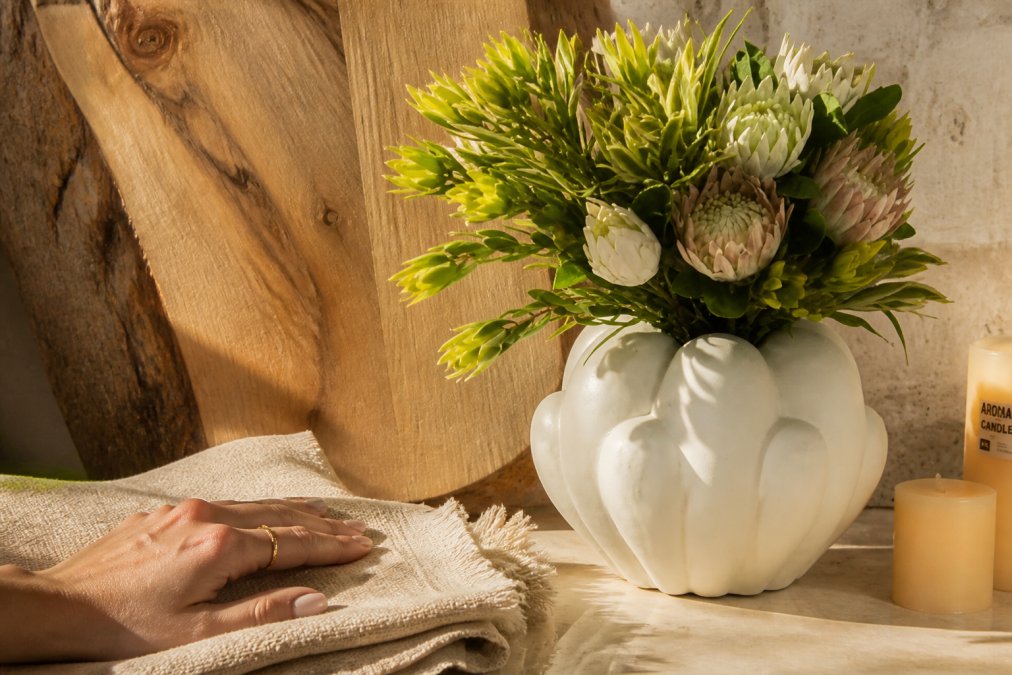
At Unapologetic Luxury Designs, our curated pieces prioritize materials that age intentionally. The Nordic Luxury Decorative Vase in premium resin maintains architectural integrity while developing subtle patina over time. Pieces like our Minimalist Art Glass Vase showcase how simple, high-quality materials create enduring beauty without requiring trend updates.


Layering and Spatial Flow for Depth
Layering separates curated, timeless interiors from flat, trend-driven ones. Rather than filling a room with matching pieces, successful layering combines different materials, textures, and tonal variations to create visual depth and character.
Start with your neutral foundation (walls, large furniture), then add secondary layers (textiles, smaller furniture), then accent layers (art, vases, decorative objects). Combine smooth surfaces with tactile ones: a polished wood floor with a soft rug, a plaster wall with a woven tapestry, a glass vase with a linen throw.
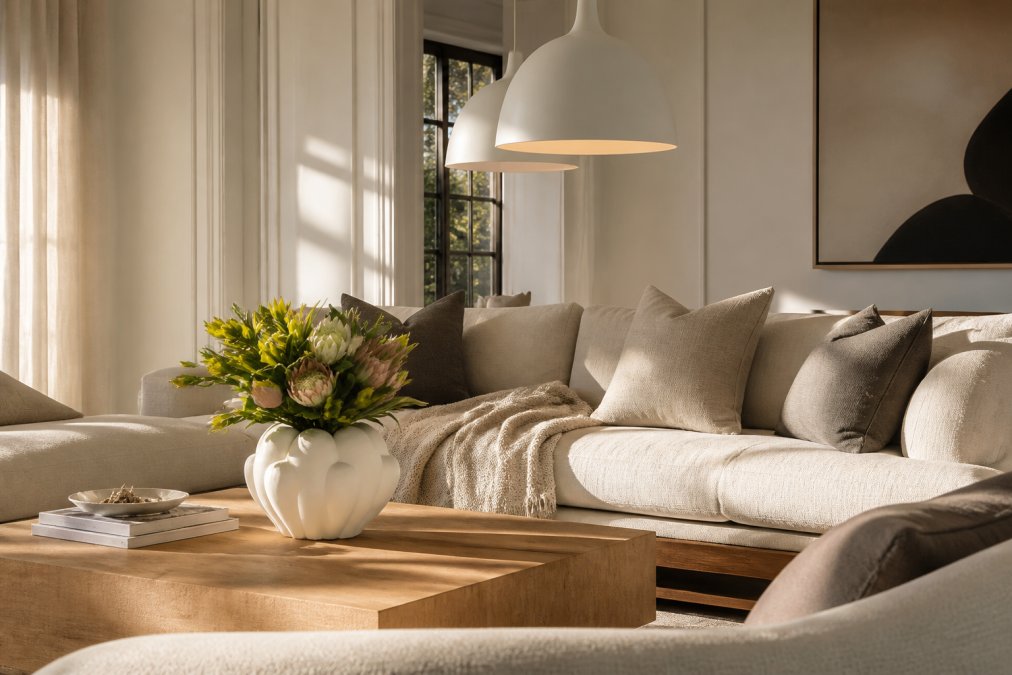
Spatial flow refers to how the eye moves through a room and how the body navigates it. Timeless interiors have clear spatial flow with natural conversation areas and functional zones. The most important principle: restraint. Each layer should be intentional and earn its place.
Bold Statement Pieces in a Timeless Aesthetic
Statement pieces are where personality enters a timeless interior. The challenge is choosing pieces bold enough to feel authentic without being so trendy they'll feel dated in three years.
The best statement pieces share specific characteristics: clean, architectural silhouettes; high-quality materials; real function; and ability to work across multiple design contexts. A deep forest green or warm terracotta accent piece reads as sophisticated and timeless. A neon or highly saturated color feels immediately trendy.
Functionality is key to statement pieces that endure. A beautiful sculptural object that serves no purpose can feel frivolous. A beautiful sculptural object that also functions as seating, storage, or lighting earns its place and justifies its prominence.
Consider how a statement piece will age. Will it develop patina that improves its appearance? The best statement pieces become more beautiful as they're used. Unapologetic Luxury Designs specializes in statement pieces designed for longevity. The Modern Abstract Sculpture Decoration combines bold form with refined craftsmanship, making a visual statement while maintaining architectural integrity that keeps spaces feeling current.

Maintenance and Care for Design Longevity
The final component of timeless interior design is maintenance. A space designed for longevity requires care that keeps materials beautiful and functional as they age.
Different materials require different approaches. Wood benefits from regular dusting and occasional conditioning. Leather softens with use but needs protection from direct sunlight. Natural stone requires sealing and gentle cleaning. Prevention beats repair: protect wood from water damage, leather from harsh sunlight, upholstered pieces from stains.
Seasonal maintenance rituals help spaces age gracefully. Rotate rugs quarterly for even wear. Rearrange furniture occasionally to prevent uneven fading. Clean windows regularly to maximize natural light. When pieces require repair, invest in quality restoration rather than replacement. A high-quality sofa with worn fabric is worth reupholstering. A wood table with a damaged finish is worth refinishing.
Document your design choices and material sources. Keep paint chips, fabric swatches, and contact information for craftspeople who can repair or restore pieces. This information becomes invaluable when refreshing a space while maintaining its timeless foundation.
Timeless interior design requires resisting the urge to chase trends and instead building spaces intentionally. Unapologetic Luxury Designs helps you curate pieces that age beautifully, from sculptural vases that serve as focal points to carefully considered furniture that improves with use. Our collection combines enduring craftsmanship with bold, sophisticated design, allowing you to create spaces that feel as relevant in 2030 as they do today. Shop All and start building a home designed to last.
Frequently Asked Questions
Q: What defines timeless interior design in 2026?
A: Timeless interior design prioritizes intentional decor over fleeting trends. It combines neutral color palettes with warm undertones, invests in heirloom-quality furniture with clean silhouettes, and blends modern elements with heritage pieces. The focus shifts away from fast-furniture trends toward pieces designed for longevity. Timeless design feels lived-in and comfortable while maintaining refined simplicity and architectural integrity, it's about creating spaces that age gracefully rather than feel dated after a season.
Q: How do you balance modern interior design trends 2026 with timeless style?
A: Start with a strong foundation of timeless pieces, neutral walls, quality furniture with timeless silhouettes, and natural materials. Layer in 2026 trends through soft furnishings, lighting design, and curated accessories that can be easily updated. Focus on trends rooted in sustainability, biophilic design, and functional minimalism rather than purely aesthetic fads. This approach lets you stay current while protecting your investment in foundational pieces that won't need replacement in two years.
Q: Can bold statement pieces be part of a timeless design?
A: Absolutely. Statement pieces work in timeless design when they feature strong architectural form, exceptional craftsmanship, and a timeless silhouette. A sculptural vase or modern abstract accent with clean lines and premium materials, like the [Nordic Luxury Decorative Vase](https://www.unapologeticluxurydesigns.com/products/modern-vases-home-decor-vases-aesthetic-interior-design-flower-bottle-household-luxury-art-nordic-elegant-wedding-centerpieces), can anchor a space for decades. The key is choosing pieces with design longevity: avoid trendy colors or materials, prioritize bespoke elements that reflect your personal aesthetic, and ensure the piece has functional value or genuine artistic merit beyond novelty.
Q: What are the best materials for long-lasting home decor?
A: Invest in natural materials with proven durability: solid wood, natural stone, glass, premium ceramics, leather, and linen. These materials develop patina and character over time, actually improving with age. Avoid particleboard and synthetic fabrics that degrade quickly. Sustainable craftsmanship, handmade elements, artisanal finishes, typically signals better construction. Premium resin and architectural glass also age well. Quality materials cost more upfront but eliminate the cycle of replacing worn pieces, making them genuinely affordable over time.
Q: How does sustainability influence how to choose timeless furniture?
A: Sustainable design and timeless design are deeply connected. Pieces made from renewable, responsibly sourced materials with durable construction are designed to last decades, not seasons. Slow design philosophy, intentional curation over rapid consumption, aligns perfectly with timeless aesthetics. Sustainable sourcing often means supporting craftspeople and heritage techniques that produce heirloom-quality pieces. By choosing furniture built to endure, you reduce waste and create spaces that feel authentic and lived-in rather than disposable.
Q: How do I apply timeless interior design in a small space?
A: Small spaces demand intentional decor more than larger ones. Use a cohesive palette of warm neutrals to create visual continuity and make the space feel larger. Choose multifunctional pieces with clean architectural forms, avoid bulky or decorative items that create clutter. Layer lighting carefully to enhance spatial flow without overwhelming the room. Select fewer, higher-quality statement pieces rather than many smaller items. Vertical storage and minimal soft furnishings maintain clutter-free aesthetics while preserving the sense of openness that small spaces need.
This article was written using GrandRanker