

Table of Contents
- How to Identify High Quality Furniture: What Really Matters
- How to Check Furniture Joinery for Structural Integrity
- Solid Wood vs Particle Board Furniture: Material Quality Comparison
- Test Springs, Support Systems, and Frame Stability
- Evaluate Hardware, Upholstery Quality, and Finish
- How to Spot Quality Secondhand Furniture
- Watch for Chemical Off-Gassing and Health Considerations
- Conclusion: Building a Furniture Collection That Lasts
Last Updated: August 11, 2026
How to Identify High Quality Furniture: What Really Matters
Identifying high quality furniture separates savvy shoppers from those who end up disappointed. The difference between a piece that lasts decades and one that fails in three years often comes down to details most people never examine. At Unapologetic Luxury Designs, we understand that bold, statement-making pieces deserve the craftsmanship to back them up. Learning to identify quality protects your investment and ensures your home reflects the sophisticated aesthetic you're after.
This guide walks you through the seven most reliable indicators of craftsmanship, markers that furniture makers, designers, and restoration specialists actually look for when evaluating a piece. By the time you finish, you'll know exactly what to examine before making a purchase.
How to Check Furniture Joinery for Structural Integrity
The way pieces of wood connect determines whether furniture holds up under daily use or develops wobbles and squeaks within months. Examining the joints gives you a direct window into the builder's skill and commitment to durability.
Dovetail and Mortise-and-Tenon Joints
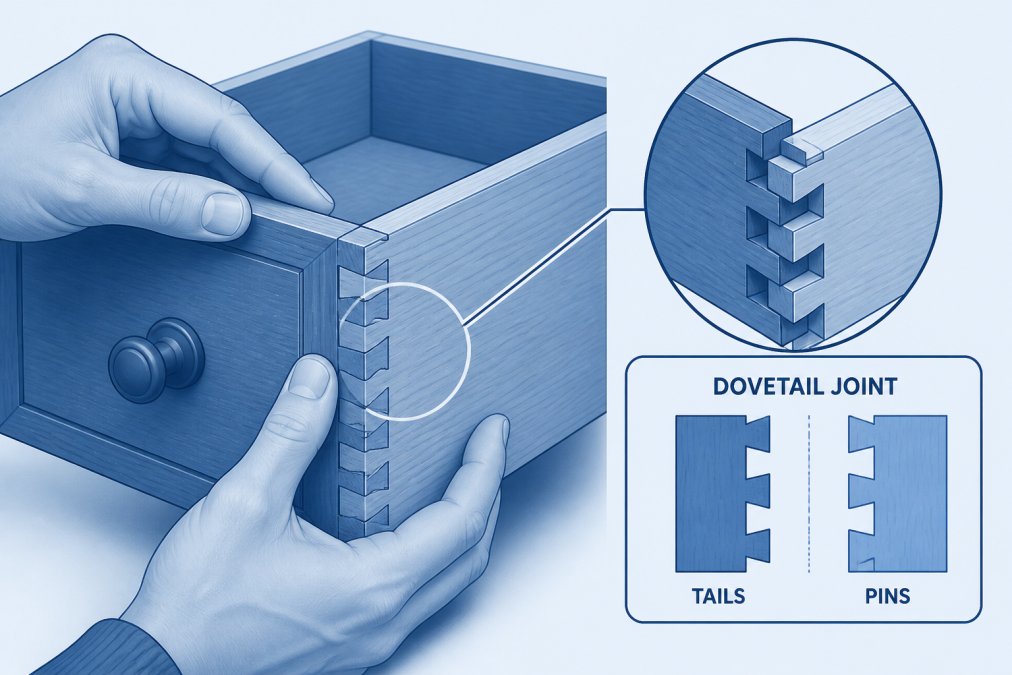
Dovetail joints are the gold standard in furniture construction. These interlocking, puzzle-like connections appear in quality drawer fronts and frame corners. The tails and pins interlock so tightly that the joint becomes stronger under stress.
Mortise-and-tenon joints are equally impressive and often used in frame construction. The tenon is a protruding piece of wood that slides into a mortise, a carefully cut cavity, creating a bond far stronger than nails or screws alone. These joints are labor-intensive, signaling that durability matters more than speed.
Look for clean, tight fits with no gaps. Run your finger along the seam, it should feel smooth and seamless. Rough edges or visible gaps mean the joinery was rushed.
Dowel Construction and Corner Blocks
Dowel construction, where wooden pegs connect two pieces, is a legitimate alternative when done well. Quality pieces use multiple dowels, often reinforced with corner blocks.
Corner blocks are small wooden pieces glued and screwed into interior corners where two frame members meet. These reinforce the joint and prevent racking, the tendency for rectangular frames to twist. If you can access the underside of a piece, look for corner blocks. Run your hand along the interior frame, it should feel solid with no movement or flex.
Solid Wood vs Particle Board Furniture: Material Quality Comparison
The material a piece is built from determines its lifespan more than almost anything else. Understanding solid wood versus particle board determines whether your investment will age gracefully or look dated in five years.
Kiln-Dried Hardwood vs Softwood
Kiln-dried hardwood is the foundation of furniture that endures. Hardwoods like oak, walnut, cherry, and maple are dense, stable, and beautiful. They resist warping and can be repaired if damaged. Kiln-drying removes moisture in a controlled environment, preventing the wood movement that causes joints to loosen and finishes to crack.
Softwoods like pine are cheaper but less stable. They're prone to dents, scratches, and warping. Check the wood grain and color, hardwood typically has more pronounced grain patterns and richer color variation. Ask the manufacturer what wood species was used. If they won't tell you, that's telling in itself.
Veneer and Particleboard Red Flags
Veneer is a legitimate construction method when applied well. A thin layer of quality wood bonded to a stable substrate is more stable than solid wood slabs, which can warp. The problem arises when veneer is applied poorly or when the substrate is cheap particleboard.
Particleboard and medium-density fiberboard (MDF) are made from wood particles glued together. They're cheaper than solid wood but fragile. They can't be repaired, absorb moisture and swell, and don't hold screws well.
Inspect the edges. Solid wood edges indicate solid wood construction. Particleboard edges look like compressed sawdust. Open drawers and look at the sides and bottoms. Feel the weight, particleboard furniture is noticeably lighter than solid wood. Combined with other red flags, this suggests cost-cutting.
Test Springs, Support Systems, and Frame Stability
The frame and support system determine how a sofa or chair feels and how long it will last. This is where manufacturers often hide compromises, because what's inside isn't visible until the piece fails.
Eight-Way Hand-Tied Springs and Coil Systems
Eight-way hand-tied springs are the gold standard in seating support. Eight individual springs are tied to each other and the frame with twine in eight directions, creating a system that distributes weight evenly. This construction is labor-intensive and expensive, indicating quality.
Coil spring systems vary widely. High-quality systems use individually wrapped coils that don't transfer motion between springs. Budget systems use open coils that create a cheap, bouncy feeling. Ask about the spring system, manufacturers building quality pieces are transparent about construction.

The Wobble Test and Weight-to-Size Ratio
Sit on the piece and shift your weight. Push on the armrests. The frame should feel solid with minimal movement. Squeaks are normal, but flex and wobble mean the frame or support system is inadequate.
Weight-to-size ratio is another revealing indicator. A sofa that should weigh 150 pounds but weighs 90 pounds is built light to save on materials. Quality furniture feels substantial.
Evaluate Hardware, Upholstery Quality, and Finish
The details that get touched repeatedly reveal how seriously a manufacturer approached the entire piece. Hardware, fabric, and finish quality indicate the overall level of craftsmanship.
Hinges, Drawer Glides, and Fasteners
Quality hinges are smooth and precise. Open and close a drawer or cabinet multiple times, it should move silently and close gently. Cheap hinges are loose and noisy and wear out quickly.
Drawer glides should be metal, not plastic. Metal glides hold up to years of use. Full-extension glides that let you pull the drawer all the way out indicate quality construction.
Examine fasteners, the screws, bolts, and connectors holding pieces together. They should be appropriately sized and installed cleanly. Oversized or undersized fasteners suggest rushed assembly.
Cushion Density, Fabric Durability, and Sanding Quality
Cushion density determines comfort and longevity. High-density foam (1.8 pounds per cubic foot or higher) resists compression and lasts longer. Press on a cushion, it should spring back immediately.
Fabric durability is measured by rub count, which indicates how many times fabric can be rubbed before showing wear. Natural fibers like linen are beautiful but less durable than performance fabrics.
Examine the finish on wood surfaces. Run your hand across the wood, it should feel smooth and consistent. Rough spots, drips, or inconsistent stain application indicate poor craftsmanship.
How to Spot Quality Secondhand Furniture
Secondhand furniture can be an excellent source for high-quality pieces at a fraction of new prices. Older furniture was often built better than contemporary equivalents. The challenge is assessing condition and determining whether wear is cosmetic or structural.
Assessing Wear, Repairability, and Structural Integrity
Start by looking for structural damage. Cracks in the frame, broken joints, or wobbly legs are expensive to repair. Cosmetic wear, scratches, fading, worn upholstery, is usually fixable.
Check the frame for cracks by running your hands along all joints and corners. Feel for gaps or movement. Wobble the piece as you would a new one. A loose frame is a red flag unless you're prepared to invest in professional repair.
Repairability is crucial. Can replacement parts be found? Is the wood type common enough that a refinisher can match it? Common hardwoods and classic designs are always easier to repair.
Look for water damage, which appears as stains, swelling, or soft wood. Avoid water-damaged pieces unless you understand the repair costs.
Verifying Provenance and Manufacturer Labels
Quality secondhand furniture often has a maker's mark or label. Look under cushions, inside drawers, on the back of frames, or underneath pieces. A clear manufacturer label indicates the piece was built by someone confident enough to sign their work.
Research the maker if you find a label. Ask the seller about the piece's history. How long have they owned it? How was it used? Honest answers suggest they care about the piece.
Watch for Chemical Off-Gassing and Health Considerations
Modern furniture manufacturing relies on adhesives, foam treatments, and finishes that release volatile organic compounds (VOCs). These chemicals off-gas, particularly in the first weeks after purchase. For some people, this causes headaches, respiratory irritation, or allergic reactions.
Solid wood with natural finishes off-gasses minimally. Particleboard and MDF, which use formaldehyde-based adhesives, off-gas significantly. Look for certifications. GREENGUARD Gold certification indicates low chemical emissions and reliable standards.
Ask manufacturers about their adhesives and finishes. Do they use water-based stains instead of solvent-based? Do they use natural latex instead of polyurethane foam? These choices reduce off-gassing substantially.
Secondhand furniture avoids many of these concerns because off-gassing has already occurred. If chemical sensitivity is a concern, older pieces are often a safer choice.
Conclusion: Building a Furniture Collection That Lasts
Identifying high quality furniture comes down to examining what manufacturers can't hide. Joinery, materials, construction methods, and hardware all reveal the true commitment to durability. When you learn to spot these markers, you make better decisions and avoid pieces that disappoint over time.
At Unapologetic Luxury Designs, we believe bold, statement-making furniture deserves the craftsmanship to match its design. Our curated collection combines audacious design with enduring construction. When you invest in furniture engineered to last, you're building a sanctuary that evolves with your life rather than against it. Shop our collection and discover pieces where sophistication meets substance.
Frequently Asked Questions
What are the signs of high-quality wood furniture?
High-quality wood furniture shows kiln-dried hardwood construction, visible dovetail or mortise-and-tenon joinery, and consistent grain matching across surfaces. Check for solid wood rather than particleboard, examine corner blocks for reinforcement, and verify the wood hasn't warped or cracked. Run your hand across the finish, it should be smooth and evenly stained, not rough or patchy. Look for manufacturer labels indicating the wood type and origin, which signals transparency about materials.
How can you tell if a sofa is well-made?
A well-made sofa has eight-way hand-tied springs or high-quality coil systems that provide support without sagging. Press on the cushions, they should compress and recover quickly, indicating good foam resilience. Check the frame for solid hardwood construction and the absence of wobble when you apply gentle pressure. Inspect webbing and fasteners underneath for durability, and verify that upholstery fabric has a high rub count (at least 15,000 for regular use). The seams should be straight and tight, not loose or puckered.
What should I look for when buying secondhand furniture?
When buying secondhand, inspect for structural damage, water stains, and odors that indicate past problems. Check all joints and hardware for movement or wear. Test drawers and doors to ensure they operate smoothly. Look for manufacturer labels to verify brand reputation and construction era. Assess whether repairs are cosmetic or structural, cosmetic fixes are manageable, but frame damage or spring failure is costly to repair. Ask about the furniture's history and any known issues. Weight and stability matter more in used pieces, as they indicate solid construction that has held up over time.
Is there a difference between solid wood and veneer furniture?
Yes. Solid wood is actual wood throughout the piece, offering durability and repairability, scratches can be sanded and refinished. Veneer is a thin layer of quality wood glued to particleboard or plywood underneath. Veneer can look beautiful and is lighter and less expensive, but it's less repairable if damaged and won't last as long under heavy use. Solid wood furniture typically costs more but holds value better and can be refinished multiple times. For statement pieces you plan to keep long-term, solid hardwood is the better investment.
Related Topics to Explore:
- How to check furniture joinery for structural integrity
- How to spot quality secondhand furniture
- Solid wood vs particle board furniture comparison
This article was written using GrandRanker