

Table of Contents
- What Makes a Statement Furniture Piece
- Define Your Design Narrative and Personal Style
- Evaluate Scale, Proportion, and Room Layout
- Consider Material, Texture, and Longevity
- How to Style Sculptural Furniture in Your Home
- Mixing Statement Pieces with Minimalist Decor
- Best Places to Buy Bold Furniture That Matches Your Vision
- Conclusion
Last Updated: August 19, 2026
What Makes a Statement Furniture Piece
A statement furniture piece is a bold, visually distinctive item that serves as an anchor or focal point in a room's design narrative. It commands attention through sculptural form, unexpected color, striking material, or artistic design, not through size alone, but through presence and personality.
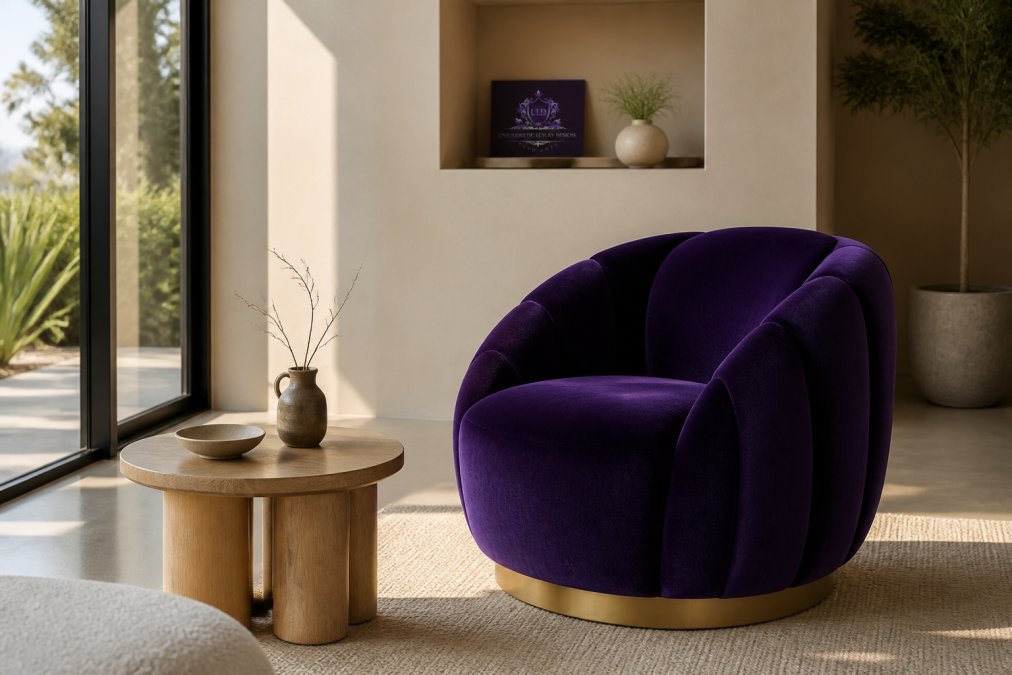
Statement pieces differ fundamentally from functional furniture. While a standard sofa provides seating, a statement sofa becomes a conversation starter. The difference lies in intentionality: statement furniture is selected specifically to elevate the room's aesthetic and reflect the owner's design perspective. A true statement piece reshapes the visual hierarchy of the room, draws your eye first, establishes a color palette or material direction, and sets the tone for everything else.
At Unapologetic Luxury Designs, we recognize that choosing statement furniture pieces requires understanding both the piece itself and how it interacts with your existing environment. The best statement pieces are visually confident without being chaotic, balance artistic expression with functional purpose, and age well rather than feeling dated within a few years.
Define Your Design Narrative and Personal Style
Before selecting statement furniture pieces, clarify your design narrative, the visual story your home tells about who you are. This isn't about following trends; it's about understanding the aesthetic direction that genuinely resonates with you.
Start by identifying your core design preferences. Do you gravitate toward minimalism, maximalism, modern luxury, or a blend? Examine your existing spaces for patterns in color, materials, and style. These signals reveal your design personality. Statement furniture pieces should amplify these existing preferences rather than contradict them.
Consider the emotional response you want your home to evoke: calm and restorative, energizing and bold, sophisticated and refined, or playful and experimental. Document your inspiration sources honestly and analyze what you're actually responding to, the silhouette, color, material, or spatial composition. Your design narrative should feel personal, not prescribed. Statement furniture pieces that align with your authentic taste will feel intentional and enduring.
Evaluate Scale, Proportion, and Room Layout
Scale and proportion are where many statement furniture selections fail. A stunning sculptural chair that overwhelms a small bedroom becomes a spatial problem, not a design asset.
Begin by measuring your space precisely. Note ceiling height, wall lengths, doorway widths, and existing furniture dimensions. A room with eight-foot ceilings requires different-scaled pieces than one with twelve-foot ceilings. Consider visual weight, not just physical dimensions. A lightweight, open-frame chair occupies less visual space than a solid, upholstered piece of identical size.
Test proportions before committing by visiting showrooms and standing in front of pieces. Photographs compress space and distort proportions. Map your room layout and identify the natural focal point, the wall opposite your entry, a corner with natural light, or the space above your sofa. Your statement piece should occupy this focal point intentionally. Ensure adequate clearance around your piece so it enhances spatial flow rather than impeding it.
Consider Material, Texture, and Longevity
The materials and textures of your statement furniture pieces directly impact both their visual presence and practical longevity. A piece that looks stunning but requires constant specialized cleaning or deteriorates within two years isn't a wise investment.
Evaluate material durability honestly. Velvet creates luxurious texture but stains easily. Leather develops character but shows scratches readily. Linen offers texture but wrinkles and fades. Solid wood ages beautifully and withstands decades of use. Consider your actual lifestyle, if you have pets or children, pristine white statement pieces become stress sources rather than joys.
Texture contributes significantly to how statement furniture functions in a room. Smooth, polished surfaces create visual lightness and reflect light. Textured surfaces absorb light and create visual depth. Assess color permanence for bold pieces, and think about maintenance requirements realistically. Material choices also communicate design intention. Natural materials tend to age gracefully and feel timeless, while synthetic materials can feel trendy and dated.
How to Style Sculptural Furniture in Your Home
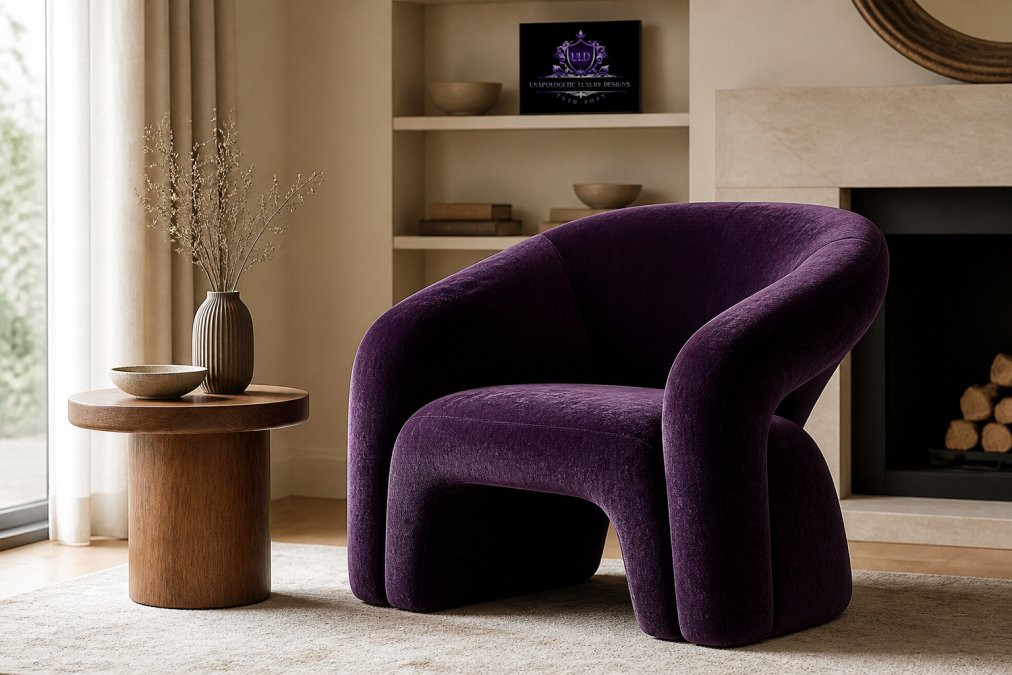
Styling statement furniture pieces requires intentionality about how they interact with surrounding elements. Create breathing room around your statement piece by being selective about what shares the visual field. If your piece is bold in color, surround it with neutral backgrounds. If it's neutral but sculptural, you can introduce color through accessories without competing for attention.
Consider how lighting interacts with your statement furniture. Sculptural forms benefit from directional lighting that highlights their dimensional qualities. Layer texture thoughtfully, if your statement piece is smooth, introduce textured elements through accessories. If it's highly textured, keep surrounding elements simpler to prevent visual chaos.
Position your statement furniture pieces as true focal points. In a living room, place the piece opposite the entry or perpendicular to a window. In a bedroom, a statement headboard naturally becomes the focal point. Limit competing statement pieces in a single room, two equally bold pieces create visual conflict rather than harmony.
Mixing Statement Pieces with Minimalist Decor
Statement furniture pieces actually complement minimalist design when approached thoughtfully. Minimalism doesn't mean sterile emptiness; it means intentional curation where every element serves purpose.
The key is restraint everywhere else. If you're introducing a bold sculptural chair into a minimalist bedroom, everything else must be simplified. Choose a neutral color palette, keep surfaces clear, and eliminate decorative objects that don't serve a function. Think of statement furniture pieces as the sole "decoration" in a minimalist space.
Use negative space intentionally, empty wall space and clear floor areas are design elements themselves. Choose statement pieces with clean lines and geometric forms if possible. Maintain a limited color palette even when introducing statement pieces. Consider functional statement pieces for minimalist spaces, such as sculptural shelving units or uniquely designed desks. A carefully chosen statement piece adds humanity and individual expression while maintaining the calm, organized aesthetic that makes minimalism appealing.
Best Places to Buy Bold Furniture That Matches Your Vision
Finding statement furniture pieces that genuinely match your vision requires knowing where to look and understanding what different retailers offer.
Online retailers specializing in modern furniture offer extensive selections with detailed photography and customer reviews. Direct-to-consumer furniture brands often provide better value by eliminating middlemen. Unapologetic Luxury Designs, for example, curates statement pieces that blend sculptural beauty with everyday functionality, delivering designer-quality aesthetics at accessible price points.
Vintage and antique furniture sources offer unique statement pieces with built-in character and proven longevity. Local furniture makers and artisans create truly bespoke pieces tailored to your specifications. Interior design showrooms display statement pieces in curated settings that help you visualize how pieces function in actual rooms. Specialty retailers focused on specific aesthetics curate collections that share design coherence.
When evaluating any source, prioritize transparency about materials, construction methods, and sourcing. Read customer reviews specifically for feedback about durability and whether pieces match their photographs. Consider return policies and shipping logistics before purchasing, you need confidence that you can return items if they don't work in your space.
| Sourcing Option | Best For | Primary Advantage | Key Consideration |
|---|---|---|---|
| Online retailers | Wide selection and comparison | Extensive inventory and customer reviews | Cannot assess in person |
| Direct-to-consumer brands | Value and curation | Better pricing, aligned aesthetic | Limited physical locations |
| Vintage/antique sources | Unique, character-filled pieces | Proven durability, individuality | Requires patience and flexibility |
| Local artisans | Bespoke, custom pieces | Truly one-of-a-kind, personalized | Higher cost and longer timelines |
| Design showrooms | Professional guidance | Curated displays, design consultation | Premium pricing |
| Specialty retailers | Cohesive aesthetic collections | Design coherence, expert curation | Narrower selection |
Choosing statement furniture pieces is fundamentally about self-expression and intentional design. The pieces you select should reflect your aesthetic vision, respect your space's proportions, and withstand both time and use. When you approach statement furniture with clarity about your design narrative, honest assessment of your lifestyle, and realistic evaluation of materials and sourcing, you create interiors that feel genuinely yours. The principles of interior design proportion and scale support the importance of evaluating furniture in relation to your actual space. Unapologetic Luxury Designs helps you source statement pieces that combine artistic expression with practical functionality. Start with your design narrative, honor your room's proportions, and invest in pieces that will age gracefully rather than fade into dated trends.
Frequently Asked Questions
What defines a statement piece in interior design?
A statement furniture piece is a bold, design-forward item that commands visual attention through its silhouette, color, texture, or artistic form. It serves as a focal point in a room and reflects your personality and design aesthetic. Statement pieces blend sculptural beauty with function, whether that's a sculptural chair, an oversized credenza, or a uniquely shaped table. The key is that it should spark conversation and elevate the entire room's design narrative.
How do you know if a statement furniture piece will stay timeless?
Look for pieces that prioritize strong design principles over fleeting trends. Timeless statement furniture focuses on proportion, quality materials, and clean silhouettes rather than novelty colors or patterns. Consider whether the piece's core form would work in multiple color palettes or design schemes. Avoid items that rely entirely on a single trend cycle for appeal. Pieces with artistic merit, craftsmanship, and functional purpose tend to age well and remain relevant across design eras.
Can you mix statement pieces with minimalist decor?
Yes, statement pieces and minimalism complement each other beautifully. A minimalist foundation, clean walls, minimal accessories, open space, actually amplifies the impact of a single statement piece. This approach is called 'maximalism with restraint.' The key is choosing one or two truly bold pieces rather than filling your space. Let negative space and neutral surroundings create contrast that highlights your statement furniture's form, texture, and artistic expression without overwhelming the room.
What should you prioritize when choosing statement furniture for a small space?
In small spaces, prioritize scale and proportion above all else. Choose statement pieces with a vertical silhouette or open base that doesn't block visual flow. Multifunctional pieces work best, a sculptural storage bench or an accent chair that doubles as a reading nook. Consider materials and textures that add visual interest without bulk. A single, well-chosen statement piece in a small room creates more impact than multiple pieces that compete for attention and make the space feel cramped.
This article was written using GrandRanker