

Table of Contents
- Understanding Statement Pieces in Renovation
- How to Choose a Focal Point in a Room
- How to Style Statement Furniture for Maximum Impact
- High-End Designer Furniture at Accessible Prices
- Statement Pieces for Different Rooms
- Budget-Friendly DIY Statement Pieces and Alternatives
- Maintenance and Longevity of Statement Pieces
- Conclusion
Last Updated: August 24, 2026
Understanding Statement Pieces in Renovation
Statement pieces are bold, distinctive furniture or decor items designed to command attention and define the aesthetic of a space. Unlike functional basics, they're intentional focal points that reflect your personality and set the tone for an entire room's design scheme.
The difference between a well-renovated space and an ordinary one often comes down to how you layer in these curated elements. A statement piece isn't just furniture, it's a declaration. It tells visitors something about who you are and what you value in your home.
When renovating, most people focus on the bones: walls, flooring, lighting. But those provide the canvas. Statement pieces provide the art. They're where personality lives, where visual interest concentrates, and where a room stops feeling like a showroom and starts feeling like a home.
The psychology behind this is straightforward. Our brains are drawn to focal points. They create visual anchors that make a space feel intentional rather than accidental. A room with a strong focal point feels curated. A room without one feels scattered, even if every individual piece is beautiful.
How to Choose a Focal Point in a Room
Selecting the right focal point is the foundation of how to renovate with statement pieces. The focal point should be the first thing your eye lands on when you enter the space, and it should be something that genuinely excites you.
Start by identifying the architectural advantages in your room. Is there a fireplace? A floor-to-ceiling window? An alcove or built-in nook? These natural architectural details are prime real estate for statement pieces because they already command spatial attention. If your room lacks obvious architecture, you create one by introducing a bold piece.
Consider the room's function and traffic patterns. In a living room, the focal point typically sits opposite the main seating area. In an entryway, it's the first thing you see when the door opens. In a bedroom, it might be the wall behind the bed. The location matters because it shapes how people move through and experience the space.
Scale and proportion are non-negotiable. A statement piece that's too small disappears. One that's too large overwhelms. The piece should command attention without making the room feel cramped. For most residential spaces, aim for a focal point that occupies roughly 20-30% of the wall or floor area it anchors.
Color contrast accelerates the focal point effect. A bold architectural detail or piece in a contrasting color naturally draws the eye. If your walls are neutral, a saturated jewel tone or metallic finish on your statement piece creates immediate visual weight. If your walls are already colorful, the contrast works differently, perhaps a sculptural form in a complementary neutral becomes the focal point instead.
How to Style Statement Furniture for Maximum Impact
Balancing Bold Pieces With Neutral Palettes
The most sophisticated interiors pair dramatic statement furniture with restrained, neutral backgrounds. This contrast is what makes the piece sing. When everything competes for attention, nothing wins.
A neutral palette doesn't mean boring. It means using soft grays, warm whites, soft beiges, and muted earth tones as your foundation. These colors recede visually, which pushes your statement piece forward. Think of it as negative space, the quiet areas make the bold areas bolder.
The practical application is straightforward: paint walls in soft neutrals, choose upholstery in muted tones, and use natural materials like wood and stone that feel organic rather than decorative. Then introduce your statement piece, whether that's a sculptural bar cabinet, a dramatic fireplace, or an oversized floor vase, and let it be the only thing demanding attention.

Texture adds depth without competing. Natural wood finishes, linen upholstery, and stone surfaces create visual interest through material rather than color. This approach keeps the palette cohesive while preventing the space from feeling flat or sterile.
Scaling Statement Pieces for Smaller Spaces
Small spaces demand strategic thinking. A statement piece in a compact room can either anchor the space beautifully or overwhelm it entirely. The difference lies in proportion and placement.
In smaller rooms, vertical statement pieces work better than sprawling horizontal ones. A tall floor vase, a dramatic wall-mounted mirror, or a sculptural accent wall draws the eye upward, making the space feel larger. A large, low-slung sofa in a small room consumes floor area and makes walls feel closer.
Choose pieces that serve dual purposes. A statement console table becomes storage and visual interest simultaneously. A decorative bar cabinet provides display and function. In compact spaces, every piece must justify its presence through both form and utility.
Lighting transforms how statement pieces read in small spaces. A piece that's dramatically lit feels larger and more intentional. Underlit, it can feel cramped or heavy. Strategic lighting, whether from a recessed fixture or a focused accent light, makes the piece feel like a deliberate design choice rather than something that happened to fit.
The rule of thirds applies here. Divide your visible wall space into thirds. Place your statement piece in one third, leaving the other two-thirds relatively quiet. This creates visual balance and prevents the space from feeling cluttered.
High-End Designer Furniture at Accessible Prices
The barrier to sophisticated interior design has never been the ideas, it's been the price tag. Designer furniture from boutique showrooms regularly costs three to four times what similar pieces cost from curated online retailers (peer-reviewed research).
At Unapologetic Luxury Designs, the philosophy is that audacious design shouldn't require a six-figure budget. The collection focuses on sculptural, functional pieces that deliver the aesthetic impact of designer furniture without the designer markup. Each piece is selected for its ability to transform a space through bold form and refined craftsmanship.
The difference between expensive designer pieces and high-end pieces at accessible prices often comes down to production scale and distribution. Boutique showrooms have higher overhead and sell lower volumes, which drives up per-unit cost. Direct-to-consumer retailers eliminate middlemen, which means the savings reach you.
Quality and longevity matter more than price. A piece that costs less but lasts decades is a better investment than an expensive piece that deteriorates within a few years (the FTC). When evaluating statement furniture, focus on material quality, construction methods, and whether the design transcends current trends.
Statement Pieces for Different Rooms
Living Room Statement Pieces
Living rooms are where statement pieces have the most impact because that's where you spend the most time and where guests gather. The focal point here sets the tone for your entire home aesthetic.
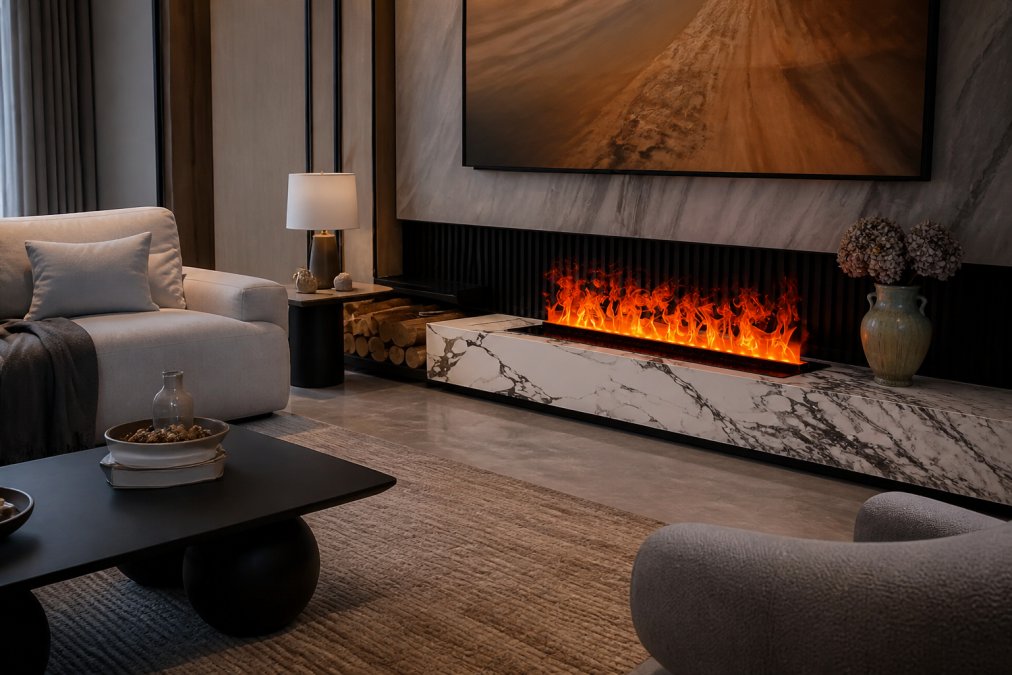
A sculptural fireplace serves as the perfect living room anchor. The 3D Atomizing Electric Fireplace with LED Steam Flame Effect creates visual drama through realistic flame technology and customizable lighting. At $3,690.30, it's positioned as a true statement piece, something that transforms the room's entire energy. The piece works because it combines function (actual warmth and ambiance) with sculptural beauty (the arch base and flame effect command attention). This is how to renovate with statement pieces in a living room: choose something that serves a purpose while looking extraordinary.

A sculptural bar cabinet offers another approach. The Acrylic Water Bubble Bar Cabinet with LED and Remote Control ($808.50) uses mesmerizing bubble animation and color-changing lighting to create a living, breathing focal point. It's functional storage that reads as art, which is the essence of sophisticated statement furniture.
For seating, choose one bold piece rather than matching sets. A sculptural accent chair in a jewel tone or unexpected material becomes the focal point. Pair it with neutral sofas and let it command the space through form alone.
Entryway and Accent Wall Statements
Entryways are your home's first impression. A strong statement piece here tells visitors that your home is intentionally designed, not randomly furnished.
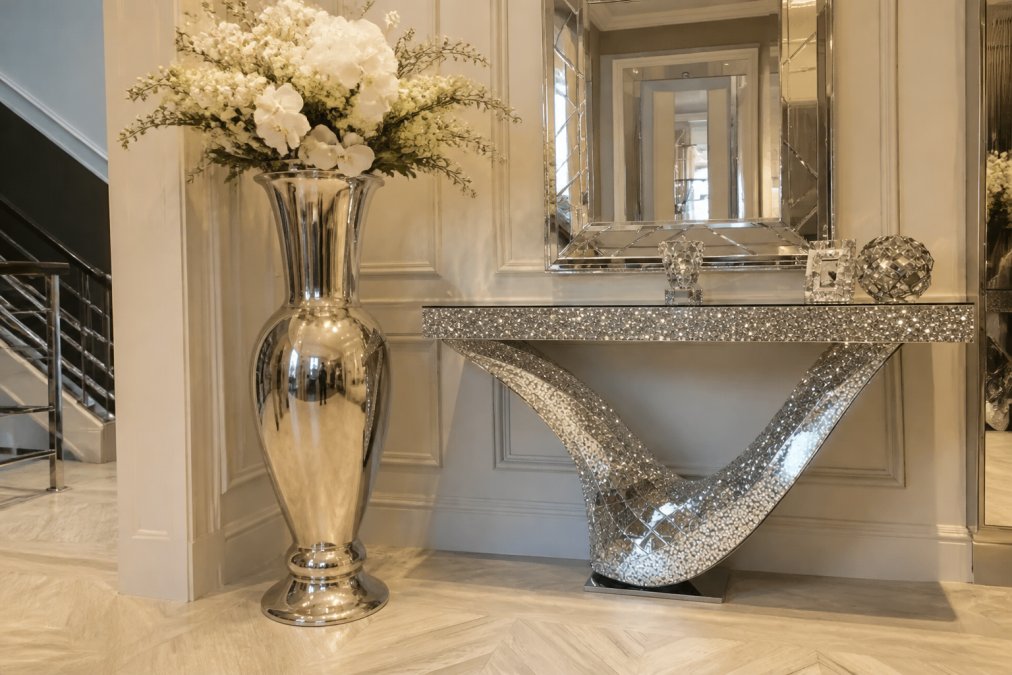
Floor vases work exceptionally well in entryways because they create vertical visual interest without occupying precious floor space. The Vintage Metal Floor Vase in American Style ($707.46) commands attention through its grand proportions and refined silhouette. It's the kind of piece that makes people pause and notice the space. Pair it with a console table and you've created an entryway that feels curated rather than functional.
Console tables serve as the anchor in many entryways. The Crushed Diamond Mirror Console Table with Sculptural Arch ($4,426.29) combines visual drama with practical surface space. The crushed diamond finish catches light beautifully, while the sculptural arch base creates architectural interest. This is statement furniture that justifies its presence through both form and function.
Accent walls work when they're bold but not overwhelming. A jewel-tone wall in an entryway creates drama without committing the entire home to that color. Pair it with a sculptural piece in a complementary finish, perhaps metallic or natural wood, and you've created a cohesive design statement.
Budget-Friendly DIY Statement Pieces and Alternatives
Not every statement piece requires a significant budget. Some of the most effective focal points come from creative thinking and DIY approaches.
Accent walls cost remarkably little if you're willing to paint them yourself. A single wall in a bold color, deep emerald, warm terracotta, or sophisticated charcoal, creates immediate visual interest. The key is choosing a color that feels intentional rather than trendy. Jewel tones age better than pastels or bright primaries.
Oversized artwork functions as a statement piece without furniture costs. A large-scale print or canvas in a bold frame becomes a focal point through sheer presence. Gallery walls work similarly, multiple pieces arranged intentionally create visual weight and personality.
Floating shelves with carefully curated objects create visual interest affordably. A collection of books, plants, and sculptural objects arranged with intention becomes a design feature. The key is restraint, a cluttered shelf reads as messy, not curated.
Mirrors create drama and light. A large mirror with an interesting frame becomes a statement piece through reflection and form. Mirrors also make spaces feel larger, which is particularly valuable in smaller rooms (apa.org).
DIY upholstering existing furniture transforms pieces without replacement costs. An old chair reupholstered in a bold fabric or interesting texture becomes a statement piece through material alone. This approach extends the life of beloved furniture while updating your aesthetic.
Maintenance and Longevity of Statement Pieces
Statement pieces represent an investment, so understanding how to maintain them ensures they remain beautiful and functional for years.
Material selection determines maintenance demands. Natural materials like wood and stone require different care than metal or acrylic. Understand what you're committing to before purchasing. A sculptural metal piece requires occasional polishing. An acrylic cabinet needs careful cleaning to avoid scratching. Wood furniture needs conditioning to prevent cracking.
Durability transcends trends. A well-made piece in a timeless design remains relevant far longer than something following current fads. When evaluating statement furniture, ask whether the piece would still feel sophisticated in five years. If you're uncertain, it's probably too trendy.
Placement affects longevity. Direct sunlight fades finishes and damages upholstery. Proximity to heat sources can warp materials. High-traffic areas subject pieces to more wear. Consider these factors when positioning your statement piece.
Professional cleaning and maintenance extend life significantly. Annual professional care for upholstered pieces, periodic refinishing for wood, and proper cleaning protocols for specialty materials keep pieces looking intentional rather than worn.
The real cost of statement furniture isn't the purchase price, it's the cost divided by years of use. A piece you love and maintain carefully becomes more valuable over time, not less. This is the opposite of trend-driven fast furniture, which depreciates immediately and requires replacement within seasons.
Renovating with statement pieces transforms your home from a collection of rooms into a curated sanctuary. The pieces you choose become the visual foundation of your aesthetic, the things people notice first, the elements that make your space unmistakably yours.
Unapologetic Luxury Designs specializes in exactly this, bold, sculptural pieces that combine high-end design with accessible pricing. Whether you're drawn to the dramatic presence of a sculptural fireplace, the artistic elegance of a floor vase, or the functional artistry of a statement bar cabinet, each piece is selected for its ability to anchor a space and elevate your home's entire design narrative. Start with one bold piece, build your neutral palette around it, and watch your space transform from ordinary to extraordinary.

Frequently Asked Questions
Q: How do you balance a room with one large statement piece without it looking overwhelming?
A: Anchor your statement piece as the focal point and build the rest of the room around it using a neutral palette. Keep surrounding furniture minimal and let the piece breathe. Use complementary textures and subtle accent colors that echo the statement piece's aesthetic. This creates spatial balance while letting your statement piece command attention without visual clutter.
Q: Can you mix multiple statement pieces in one room without making it look chaotic?
A: Yes, but they must share a cohesive design scheme. Choose pieces that complement each other in style, color palette, or visual weight. For example, pair an oversized sculptural fireplace with a bold bar cabinet if both feature modern metallic finishes. Separate them spatially across the room and use neutral walls and simple furnishings between them. The key is intentional curation, each piece should feel like part of a deliberate design story, not random bold choices thrown together.
Q: How do I know if a statement piece will feel dated in a few years?
A: Focus on timeless design elements: clean lines, quality materials, and neutral color bases with bold accents you can update easily. Avoid trend-specific details like ultra-specific color fads or gimmicky finishes. Statement pieces that blend sculptural beauty with functional design, like architectural lighting fixtures or bespoke furniture, age better than purely decorative items. Curated collections tend to prioritize enduring craftsmanship over fleeting trends, ensuring your investment holds its aesthetic value.
Q: What's the best way to highlight a statement piece during a renovation?
A: Use lighting design to draw attention: position directional lighting above or beside the piece to create dramatic shadows and depth. Choose a wall color that contrasts with the piece, a neutral backdrop for bold furniture, or a subtle accent wall for minimalist pieces. Clear the visual space around it by removing competing decorative elements. If your statement piece is architectural (like a fireplace or custom cabinetry), let it occupy the room's primary focal point without competing furniture nearby. This creates the visual weight and emphasis that makes the piece truly command the space.
This article was written using GrandRanker