

Table of Contents
- Warm Minimalism Interior Design Takes Center Stage
- Organic Textures and Nature-Inspired Materials
- Soft Curves and Sculptural Furniture
- How to Declutter for a Minimalist Home
- Biophilic Design Trends 2026
- Budget-Friendly Ways to Adopt Modern Minimalist Trends
- Small Space Optimization for Minimalist Living
- What Not to Do: Outdated Trends to Avoid
Last Updated: August 6, 2026
Warm Minimalism Interior Design Takes Center Stage
Warm minimalism interior design is reshaping home decor in 2026. Unlike the stark aesthetic that defined minimalism a decade ago, today's version embraces softness, tactile surfaces, and intentional warmth while maintaining the clutter-free philosophy. This approach from Unapologetic Luxury Designs reflects a cultural shift toward spaces that feel both serene and inviting. Cold minimalism often feels isolating, rooms stripped of personality read as showrooms rather than homes. Warm minimalism solves this by layering natural materials, muted earth tones, and carefully curated pieces that add character without visual noise.
Organic Textures and Nature-Inspired Materials
Natural materials form the backbone of minimalist home decor trends in 2026. Stone, wood, linen, and ceramics create depth through tactile contrast rather than color variety. These materials age gracefully, developing patina and character over time, aligning with the minimalist principle of investing in pieces that last.
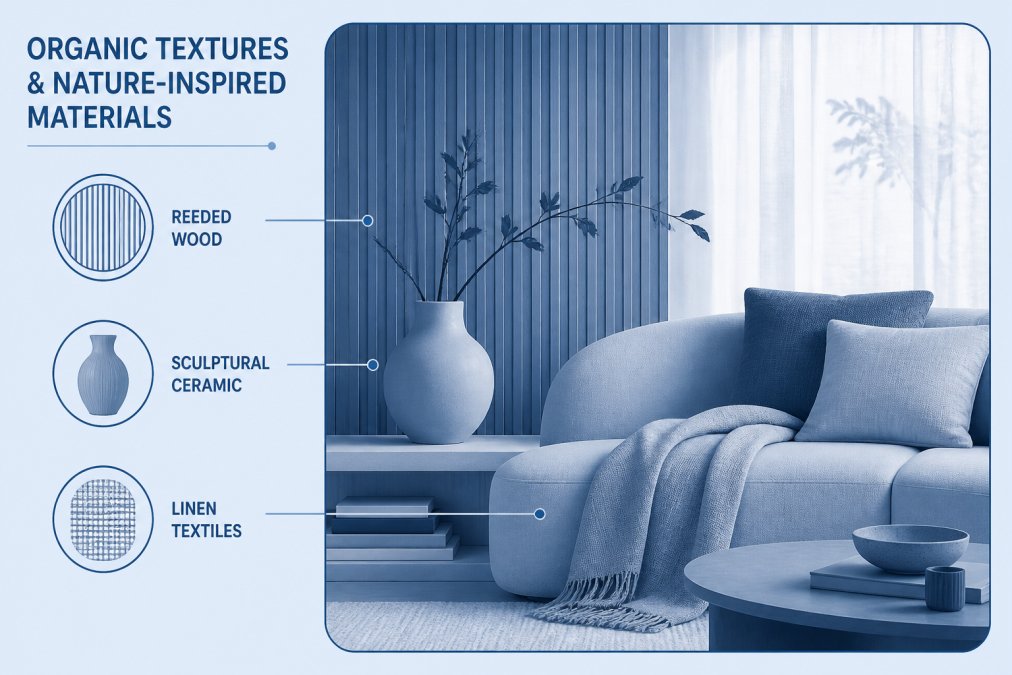
Biophilic design overlaps significantly here. Bringing nature indoors through raw materials creates sensory richness without visual clutter.
Reeded and Fluted Millwork
Reeded and fluted millwork has become the signature architectural detail of warm minimalist interiors. These subtle vertical grooves catch light differently throughout the day, creating visual interest that changes with the sun's position. Installing reeded millwork on accent walls, cabinet fronts, or built-in shelving creates focal points without overwhelming a space.
Raw and Tactile Surfaces
Raw materials speak louder than finished ones in minimalist design. Unpolished concrete, untreated wood, and unglazed ceramics invite touch and interaction, telling stories through imperfections rather than fighting against them. Coyuchi Organic Relaxed Linen Sheet Sets exemplify this philosophy. The garment-washed linen becomes softer with each wash, developing character while maintaining its organic aesthetic.
Soft Curves and Sculptural Furniture
The shift away from rigid right angles represents a significant change in minimalist home decor trends. Soft curves and organic shapes now dominate, creating visual softness while maintaining clean spatial flow. Sculptural furniture serves dual purposes: functional seating or storage combined with visual interest that justifies its presence in a clutter-free home. Rounded edges feel safer and more approachable than sharp corners, which matters psychologically in spaces designed for rest and restoration.
How to Declutter for a Minimalist Home
Decluttering isn't a one-time event, it's a practice supporting minimalist home decor trends. Start by identifying categories rather than tackling room by room. Group similar items together to see the full scope of what you have. The goal isn't to own nothing; it's to own only things that add value.
Intentional Living and Hidden Storage Solutions
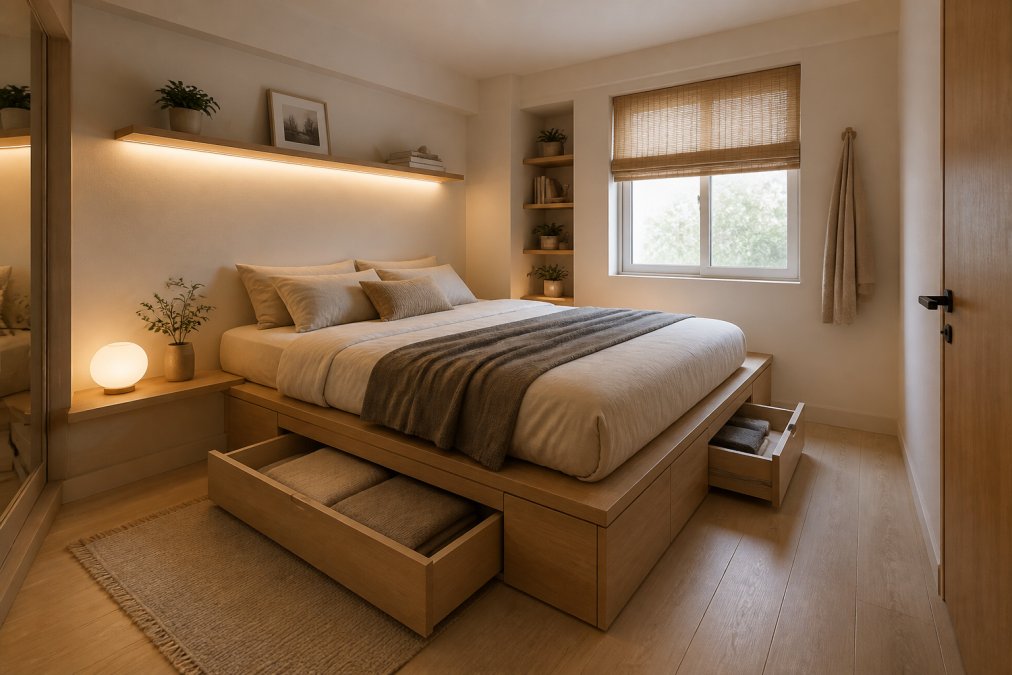
Intentional living means every item in your home has a purpose and a place. Hidden storage solutions are essential to maintaining the minimalist aesthetic while accommodating daily life. Built-in drawers under platform beds, floating shelves with integrated storage, and cabinet systems that hide clutter are hallmarks of well-designed minimalist spaces. The Caraway Ceramic Nonstick Cookware Set demonstrates how thoughtful design includes magnetic pan racks and canvas lid holders that organize items while keeping them out of sight.
Biophilic Design Trends 2026
Biophilic design, connecting interiors to natural elements, has become central to minimalist home decor trends. This encompasses natural light, water elements, stone surfaces, and spatial layouts mirroring natural environments. The connection between biophilic design and mental health is well-documented. Spaces incorporating natural elements reduce stress and increase focus.
Philips Hue Smart Lighting Systems allow you to adjust ambient lighting throughout the day, mimicking natural circadian rhythms. Soft, warm light in early morning transitions to brighter tones during work hours, then returns to warm amber in the evening. Water features and living walls introduce movement and sound that enrich the minimalist space.
Budget-Friendly Ways to Adopt Modern Minimalist Trends
Adopting minimalist home decor trends doesn't require complete renovation or luxury budget. Prioritize high-impact, visible elements while sourcing strategically and phasing purchases over time.
Prioritize Visible, High-Touch Items
Your budget should flow toward items you see and touch daily. A quality bed frame, sofa, or dining table anchors the room. A solid wood platform bed with clean lines costs $400-$800 new; secondhand versions run $150-$400 with the same aesthetic weight.
Bedding and textiles matter equally because they affect comfort and visual warmth. Quality linen sheets ($80-$150) improve sleep and add tactile richness. Lighting deserves budget allocation because it shapes how a room feels throughout the day. A single sculptural floor lamp ($60-$150) or pendant light ($40-$120) creates ambiance more effectively than multiple cheap fixtures. Warm-toned bulbs (2700K) feel significantly more inviting.
Where to Compromise Without Losing Aesthetic
Decorative items are where minimalism naturally saves money. Rather than filling shelves with $20 objects, buy one or two statement pieces. A single ceramic vase ($25-$60) or wooden sculpture ($30-$80) creates more visual interest than five smaller items.
Paint costs $30-$60 per gallon and transforms a room for minimal investment. Area rugs ($50-$200 for quality natural fiber) define spaces and add warmth without replacing flooring.
Phased Implementation Timeline
Spread purchases across 6-12 months to prevent buyer's remorse and spread costs:
Month 1-2: Invest in one anchor piece (bed, sofa, or dining table). Budget $300-$800.
Month 3-4: Add quality bedding or seating textiles. Budget $100-$200.
Month 5-6: Update lighting with one or two statement fixtures. Budget $100-$250.
Month 7-9: Add one or two natural material accent pieces. Budget $50-$150.
Month 10-12: Paint, add an area rug, or install simple wall treatment. Budget $100-$300.
This keeps monthly spending under $200 while building a cohesive, intentional space.
Sourcing Strategy: New vs. Secondhand
Secondhand purchases align naturally with minimalist values and stretch budgets significantly. Facebook Marketplace, Craigslist, estate sales, and thrift stores carry solid wood furniture, vintage ceramics, and natural fiber textiles at 40-70% below retail. Buy new for items where condition matters: mattresses, upholstered seating, and lighting fixtures. Buy secondhand for solid wood furniture, ceramics, metal accents, and textiles. Local artisans on Etsy typically charge $20-$100 per piece, comparable to retail but with unique character.
Small Space Optimization for Minimalist Living
Small spaces benefit most from minimalist principles because constraints force intentional decision-making. When square footage is limited, typically under 600 square feet, every item must justify its presence, aligning perfectly with minimalist philosophy.
Understanding Your Space Constraints
Small space optimization begins with honest measurement. Calculate usable floor space by measuring length and width, then subtract fixed elements: doorways, windows, closets, and built-ins. Designers recommend keeping 60-70% of floor space visible to maintain the airy feeling minimalism requires. This calculation reveals why small spaces require ruthless editing.
Vertical Storage: The Small Space Essential
Vertical storage transforms small spaces by using wall height rather than floor footprint. Floating shelves (12-24 inches deep, $30-$80 per shelf) create storage without visual bulk. Wall-mounted cabinets (24-36 inches wide, $100-$300) hide clutter while providing storage. Tall, narrow bookcases (24 inches wide, 72+ inches tall, $80-$200) draw the eye upward, making rooms feel larger.
Multi-Functional Furniture: Solving the Space Equation
Every piece must earn its place through function or beauty. Platform beds with built-in drawers ($300-$600) eliminate the need for a separate dresser. Storage ottomans ($100-$250) provide seating, a surface, and hidden storage. Wall-mounted desks ($80-$200) fold down when not in use, creating workspace without permanent footprint.
Layout Principles for Small Minimalist Spaces
Float furniture away from walls. Pushing all furniture against walls makes small spaces feel smaller. Floating a sofa 12-18 inches from the wall creates a defined living zone.
Create zones with area rugs. A 5×7-foot area rug ($80-$200) defines a living area without walls.
Minimize visual transitions. Use one wall color throughout, one flooring material, and consistent wood tones.
Use mirrors strategically. A large mirror (36×48 inches, $50-$150) opposite a window reflects light and creates the illusion of depth.
Lighting Design for Small Spaces
Overhead lighting often feels harsh. Layered lighting with ambient and task options creates flexibility and warmth. Ambient lighting from a single pendant or small chandelier ($40-$120) provides general illumination. Task lighting from wall-mounted reading lights ($30-$80) or small desk lamps ($40-$100) provides focused light without consuming floor space.
The Psychological Benefit of Minimalism in Small Spaces
Minimalism in small spaces isn't just aesthetic, it's psychological. Clutter in a small space creates cognitive overload because visual information is inescapable. A minimalist small space reduces decision fatigue and creates a sense of control.
What Not to Do: Outdated Trends to Avoid
Understanding what to avoid helps clarify what to embrace. Maximalist accent walls with bold patterns clash with warm minimalism. The current trend favors subtle texture over bold color. Overly matchy-matchy decor feels sterile and lacks organic quality. Plastic storage solutions and visible organizing systems feel clinical rather than serene. Excessive decorative items contradict minimalist principles.
Warm minimalism isn't about deprivation or sterility, it's about creating spaces that feel intentional and restorative. The trends defining minimalist home decor in 2026 prioritize natural materials, soft forms, and psychological comfort. Unapologetic Luxury Designs specializes in sculptural furniture and statement pieces that embody this philosophy, allowing you to build a sophisticated, clutter-free home that reflects your personal style. Transform your space into a sanctuary that feels both calm and distinctly yours.
Frequently Asked Questions
Is minimalist home decor still in style for 2026?
Yes, minimalist home decor remains a dominant trend in 2026, but it has evolved significantly. The rigid, cold minimalism of the past decade is giving way to warm minimalism interior design, which blends clean lines with organic textures, earthy tones, and sculptural elements. This softer approach maintains the clutter-free foundation of minimalism while adding personality and warmth. Modern minimalist home decor trends now emphasize intentional living and biophilic design, making spaces feel both serene and inviting.
What colors are trending for minimalist homes in 2026?
Warm neutral and earthy tones dominate 2026's minimalist palette. Think warm beiges, soft taupes, muted terracotta, sage green, and creamy off-whites rather than stark whites and grays. These colors create a cozy aesthetic while maintaining the visual calm that minimalism demands. Monochromatic layering using different shades of the same neutral also adds depth without introducing visual clutter. Matte finishes on walls and furniture further enhance this sophisticated, understated look.
How do I make my home look modern minimalist without it feeling cold or empty?
The key is balancing minimalism with warmth through intentional design choices. Layer different textures like linen, raw wood, and ceramic to add tactile interest. Use warm minimalism interior design principles by selecting soft curves in furniture rather than sharp angles, and incorporate organic materials that evoke nature. Add sculptural pieces that serve as both functional and visual focal points. Strategic ambient lighting and a carefully curated selection of meaningful objects transform a minimalist space from sparse to sophisticated and inviting.
What makes a minimalist home design timeless rather than trendy?
Timeless minimalist design focuses on quality over quantity and prioritizes function alongside aesthetics. Choose pieces made from sustainable and eco-friendly materials that age well, like solid wood and organic fabrics. Avoid hyper-specific color trends or novelty items; instead, stick to warm neutrals and classic silhouettes. Invest in well-crafted statement pieces from curated collections that blend modern heritage with contemporary design. The psychological benefits of intentional living, reduced stress, improved focus, and a sense of calm, ensure that minimalism remains relevant because it addresses core human needs, not fleeting aesthetic preferences.
This article was written using GrandRanker